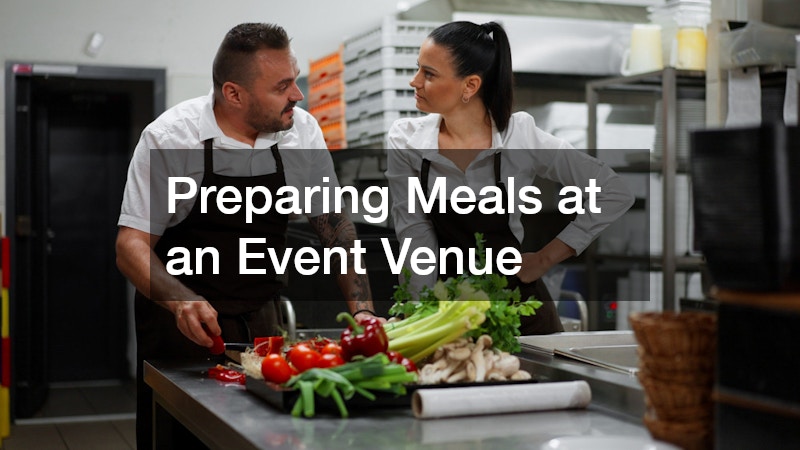
Executing a flawless culinary experience for a large-scale event is one of the most demanding tasks in the hospitality industry. Delivering restaurant-quality meals to hundreds of guests simultaneously requires immense skill under ideal conditions, but doing so at a detached event venue adds a massive layer of logistical complexity. Whether you are operating out of a rustic barn, an open-air vineyard, a historic mansion, or a temporary pop-up tent, the challenges of working in a non-traditional kitchen space can quickly jeopardize a catering team’s success.
Many event planners and novice caterers focus entirely on menu creation, plating design, and front-of-house aesthetics while completely overlooking the background mechanics of the venue’s infrastructure. A spectacular menu is meaningless if the temporary kitchen encounters a complete utility failure, runs out of cooking fuel mid-service, or triggers local environmental violations due to improper waste handling. True catering mastery relies on total operational foresight, the systematic organization of power supplies, thermal capacities, waste management pipelines, and safety parameters long before the first guest arrives. By adopting a proactive, highly technical approach to venue kitchen staging, culinary directors can confidently navigate the unpredictable realities of off-site food preparation, ensuring an unforgettable dining experience that preserves both the property’s integrity and the brand’s professional reputation.
Adapting to Diverse Venue Typologies and Kitchen Infrastructures
The first critical phase of preparing meals off-site is conducting a comprehensive walkthrough to evaluate the physical layout and mechanical limits of the target property. Unlike a fixed commercial kitchen, event venues feature widely disparate layouts that vary from fully equipped staging zones to completely bare spaces lacking running water or adequate ventilation. Culinary teams must map out exactly where their raw ingredients will arrive, how far prep teams must travel to reach cooking stations, and the shortest paths for service staff to move hot plates onto the banquet floor without creating chaotic traffic bottlenecks.
Special care must be taken when setting up operations within non-traditional spaces like historic structures, agricultural outbuildings, or expansive converted wooden dance halls. These large, open-volume structures are notorious for their intense acoustical echo chambers and flexible structural frameworks, meaning the clatter of commercial pots and pans can easily bleed into the guest area. To maintain a refined atmosphere, kitchen designers must use temporary, flame-retardant partitions or heavy drapery networks to create distinct acoustic and visual barriers between the back-of-house action and the main entertainment space.
-
Audit the local electrical grid: Never assume standard wall outlets can support heavy commercial food warming cabinets or convection ovens; always check the main breaker panels and map out exact amp draws to prevent blowing a circuit mid-service.
-
Enforce rigid fire safety corridors: Maintain completely clear, unblocked pathways to all primary exterior exits, and ensure multiple inspected, high-capacity fire extinguishers are mounted visibly at every active cooking station.
-
Optimize service staff traffic loops: Separate the incoming dirty dish drop-off zones from the outgoing hot food plating lines to eliminate accidental collisions and broken glassware during fast-paced banquet rushes.
Managing High-Output Fuel Staging and Thermal Power

Operating an efficient, professional kitchen in a remote field or a bare-bones venue demands a massive, self-sustained source of thermal energy. Commercial caterers cannot rely on standard residential appliances to execute rapid, high-volume multi-course menus; they must deploy heavy-duty, portable commercial burners, convection ovens, and high-BTU griddles designed to heat up instantly and maintain precise temperatures under heavy loads. Calculating your exact thermal fuel requirements based on total banquet volume and expected cooking times is vital to keep your lines running without interruption.
When staging an outdoor or pop-up cooking compound, managing pressurized gas canisters demands absolute safety compliance. Staging commercial-grade propane tanks requires keeping the cylinders strictly upright, securely chained to stable support racks away from public traffic, and placing them in well-ventilated exterior zones completely separated from open flame sources and flammable tent fabrics.
-
Run comprehensive gas line sweeps: Execute a detailed leak-check fluid sweep across all high-pressure regulators, manifold splitters, and flexible supply lines before igniting any commercial equipment.
-
Coordinate bulk delivery schedules: Establish communication lines with certified local propane services to handle heavy fuel placements and safety inspections well ahead of your primary kitchen team’s arrival.
-
Deploy secondary utility backups: Bring silent, low-emission commercial generators to power your electronic temperature control panels, internal kitchen lighting, and digital inventory computers independently from the venue’s primary electrical supply.
Optimizing Waste Management Infrastructure and Debris Logistics
A high-volume event kitchen generates an astonishing amount of physical debris and organic waste in an incredibly short timeframe. As hundreds of plates are scraped and kitchen teams prep raw ingredients, unmanaged garbage can quickly overflow, creating significant cross-contamination risks, severe odor issues, and physical tripping hazards in tight workspaces. To maintain pristine sanitation standards throughout a multi-day event, you must engineer a highly functional, color-coded waste sorting station directly within the back-of-house footprint.
Managing this physical waste loop requires seamless coordination with the venue’s exterior logistics teams and local service providers. Caterers must ensure that high-capacity commercial dumpsters are positioned strategically near the kitchen exit doors but completely hidden from guest sightlines. Working alongside professional garbage collectors to arrange precise drop-off and rapid, post-event removal windows ensures that organic waste is hauled away before it creates pest problems or sanitation violations on the property.
-
Isolate organic and compostable waste: Use heavy-duty, puncture-proof plastic bins with tightly fitting, automated lids to completely seal away raw food scraps and prevent persistent odor issues in high-heat environments.
-
Enforce strict recycling separation: Mandate that all cardboard shipping boxes, glass beverage bottles, and metal cans are flattened and sorted immediately to optimize dumpster space and lower overall haul-away costs.
-
Execute detailed post-event sweeps: Implement a comprehensive leave-no-trace ground inspection across all staging zones, ensuring that every piece of plastic wrap, wire tie, and debris is cleared to preserve your venue security deposit.
Engineering Environmental Safety and Liquid Fluid Capture

While managing solid physical debris is relatively straightforward, capturing and disposing of liquid fats, oils, and grease introduces a complex mixture of environmental and structural liabilities. Pouring hot cooking oil or greasy pan scrapings down a venue’s standard plumbing lines is an absolute recipe for disaster, frequently leading to immediate pipeline blockages, sewage backups into the guest restrooms, and catastrophic municipal fines for code violations.
To safeguard the venue’s plumbing network and local ecosystem, culinary teams must actively monitor and utilize internal interception infrastructure. When operating in permanent venues, verify that the facility’s localized grease traps are completely cleared, fully operational, and capable of managing heavy culinary waste before you start cooking. If you are operating a temporary field kitchen, you must deploy self-contained, portable grease collection systems that isolate liquid food fats completely from any local graywater discharge lines.
-
Partner with ecological refining networks: Collect all spent deep-fryer oil in specialized, puncture-proof steel collection drums, and coordinate pickup schedules with certified cooking oil recycling providers who can refine that kitchen waste into sustainable, eco-friendly biodiesel.
-
Implement dry scraping protocols: Mandate that all prep cooks and dishwashers use flexible silicone spatulas to dry-scrape every pot, pan, and serving platter into organic waste bins before the items reach the wash water.
-
Maintain dedicated liquid spill kits: Keep heavy-duty, chemical-absorbent spill mats and granular binding agents directly within the frying stations to immediately contain and clean up accidental hot oil splurges before they stain concrete or seep into the soil.
Controlling Off-Site Ingredient Supplies and Signature Flavor Profiles
The true test of an off-site catering operation is its ability to maintain absolute culinary consistency and food safety standards across great physical distances. Transporting raw, temperature-sensitive ingredients from a centralized commissary kitchen to a remote event venue requires flawless cold-chain management. Culinary teams must deploy refrigerated transport vehicles, precise digital data-loggers, and insulated staging cases to guarantee that proteins, seafood, and fresh dairy remain safely below forty degrees Fahrenheit throughout the entire transit and holding timeline.
To optimize operational speed and accuracy once you arrive at the venue, maximize your preparation efficiency by completing par-cooking, precision batching, and vacuum-sealing components at your main commissary. When executing large-scale plating lines, chefs can efficiently finish these pre-batched bases with vibrant, high-impact seasoning elements. Adding a custom drizzle of small-batch gourmet hot sauce arrays, aged artisanal vinegars, or specialized herb-infused oils at the final pass allows culinary teams to deliver complex, vibrant flavor profiles to thousands of plates without slowing down the kitchen’s assembly line pace.
-
Utilize color-coded cutting systems: Implement a strict, non-negotiable color-coded board and knife protocol in temporary kitchens to completely eliminate the risk of allergen or cross-contamination between raw proteins and ready-to-eat garnishes.
-
Enforce continuous batch tracking: Label every single vacuum-sealed prep bag with precise dates, batch numbers, and exact internal temperature logs to ensure total traceability throughout your supply chain.
-
Optimize final plating stations: Arrange components in an ergonomic, continuous assembly line configuration, keeping all finishing sauces and delicate micro-greens within arms’ reach of the expoface.
Securing Perimeter Grounds and Mitigating Rural Environmental Threats
When preparing high-volume meals at remote rural venues, rustic ranches, or wilderness pop-up sites, the immense scent plumes generated by open-air roasting, deep-frying, and wood-fired smoking present a unique logistical variable. Large-scale culinary production releases intense, airborne scent footprints that can travel for miles on local wind currents, easily attracting regional wildlife, predatory animals, and destructive pests directly toward your kitchen staging area.
To protect your staff and ensure a peaceful event atmosphere, venue coordinators must proactively secure the perimeter grounds around the cooking compound. Setting up physical security boundaries, utilizing high-output scent masks, and deploying heavy-duty, humane hog traps along the wooded edges of the property helps control unexpected intrusions from aggressive wild boars or rodents before they disrupt the kitchen operations or wander into the guest seating zones.
-
Isolate industrial generator fueling: Position all bulk chemical fluids, engine lubricants, and supplementary generator fuels in a locked, secondary containment zone managed by a vetted, accredited regional oil company.
-
Deploy chemical absorbent spill mats: Place specialized containment trays beneath all diesel generators and fuel refilling nozzles to guarantee that an unexpected fuel spill cannot contaminate the local soil core or nearby water systems.
-
Secure exterior storage containers: Use lockable, heavy-duty commercial storage cases for all raw ingredients and dry goods, ensuring that local wildlife cannot access your food supplies during overnight shifts.
Engineering Traditional Live-Fire Cooking Infrastructure
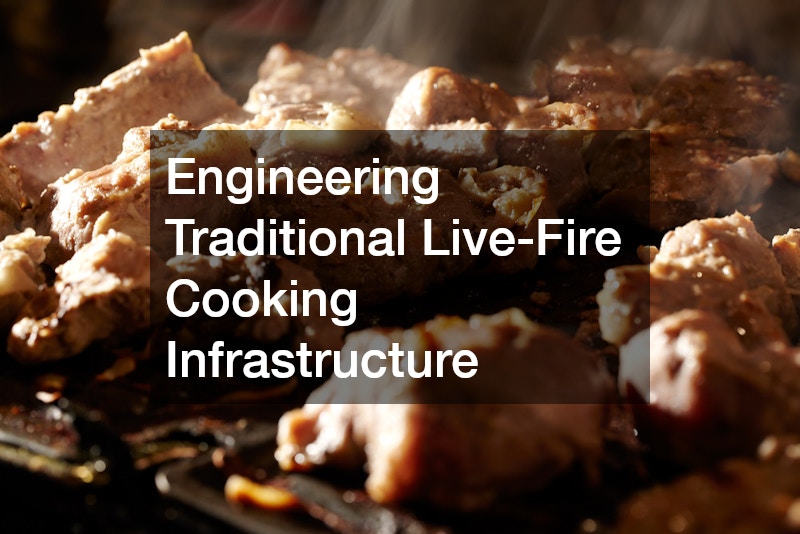
Incorporating traditional live-fire cooking methods, such as whole-animal spit roasts, artisanal wood-fired pizza ovens, or open-pit barbecuing, adds an incredible layer of theatrical flair and rich flavor to an event. However, operating open-air wood fires within a temporary venue environment demands extreme structural discipline and an extensive fire-suppression plan. Managing high-intensity coals and unpredictable wind currents requires placing your live-fire setups a safe distance away from guest pathways, low-hanging tree branches, and synthetic tent fabrics.
The success of a live-fire culinary operation depends heavily on the quality and preparation of your raw botanical fuels. Pitmasters must select beautifully seasoned, bone-dry hardwoods like oak, hickory, or mesquite that burn clean without generating excessive, bitter smoke clouds. Staging this premium firewood requires constructing an elevated, covered storage area that keeps the lumber perfectly dry while remaining completely isolated from your active open-flame zones to eliminate secondary fire hazards.
-
Monitor local airborne ash drift: Continuously track prevailing wind directions and position your live-fire pits downwind from the guest dining tables, fine linens, and main building air-intake systems to prevent heavy smoke pollution.
-
Implement strict coal containment protocols: Utilize custom-built steel pit linings and thick masonry barriers to trap hot embers completely, preventing loose sparks from drifting into dry perimeter brush or landscaping.
-
Enforce absolute extinguishment routines: Never leave a live-fire pit unattended; use detailed multi-step water-dousing and dirt-smothering procedures to completely cool down active coal beds, verifying a complete thermal drop before exiting the venue.
Transforming an unconventional event space into a temporary, high-output culinary engine is an incredible achievement that demands equal parts technical precision, organizational discipline, and culinary artistry. As this comprehensive guide has demonstrated, delivering an exceptional dining experience far away from a traditional restaurant kitchen requires looking past basic cooking techniques. It requires a thorough understanding of the venue’s mechanical limits, precise calculation of thermal assets, strict enforcement of environmental safety protocols, and proactive management of waste logistics and surrounding ecosystems.
The lasting reward of this meticulous, venue-grade preparation framework is the absolute security and reputation it builds for your catering enterprise. When a culinary team can seamlessly drop into any remote environment or historic property and execute a flawless, code-compliant dinner without a single utility disruption, they establish themselves as elite market leaders. Do not leave the success of your next off-site event to chance. Take the initiative to pull out your kitchen design spreadsheets, audit your venue’s power matrices, coordinate with your energy and waste management partners, and draft your precise operational blueprints well ahead of schedule. Replacing field guesswork with calculated structural preparation ensures that your kitchen operates with absolute precision, delivering a breathtaking and unforgettable experience that delights your clients and protects your brand’s future.